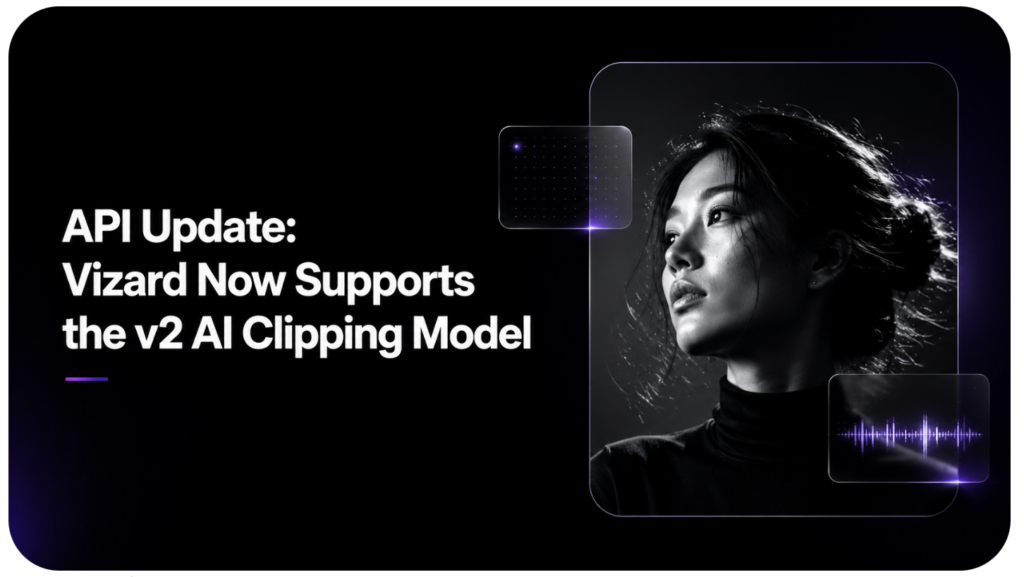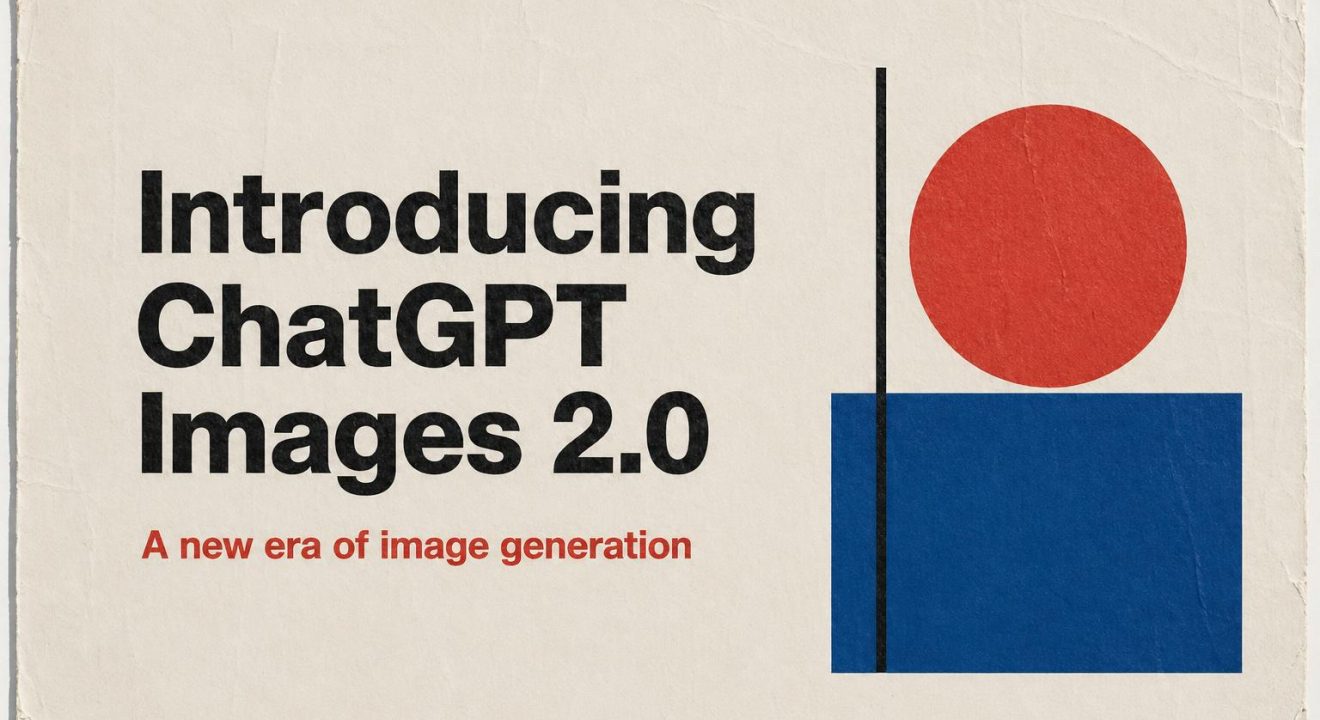
OpenAI’s latest image model thinks before it draws. Here’s what that means for creators, marketers, and anyone who needs visuals that actually work.
When OpenAI launched its first native image generation model a little over a year ago, it broke the internet as Studio Ghibli remakes flooded every social feed. Now, GPT Image 2 is here, and the jump feels even bigger. This isn’t an incremental update. OpenAI rebuilt the architecture from scratch and introduced something that no other image model has: genuine reasoning.
Before GPT Image 2 draws a single pixel, it thinks. It searches the web, considers layout and composition, and double-checks the result. That changes what image generation can do — not just aesthetically, but operationally.
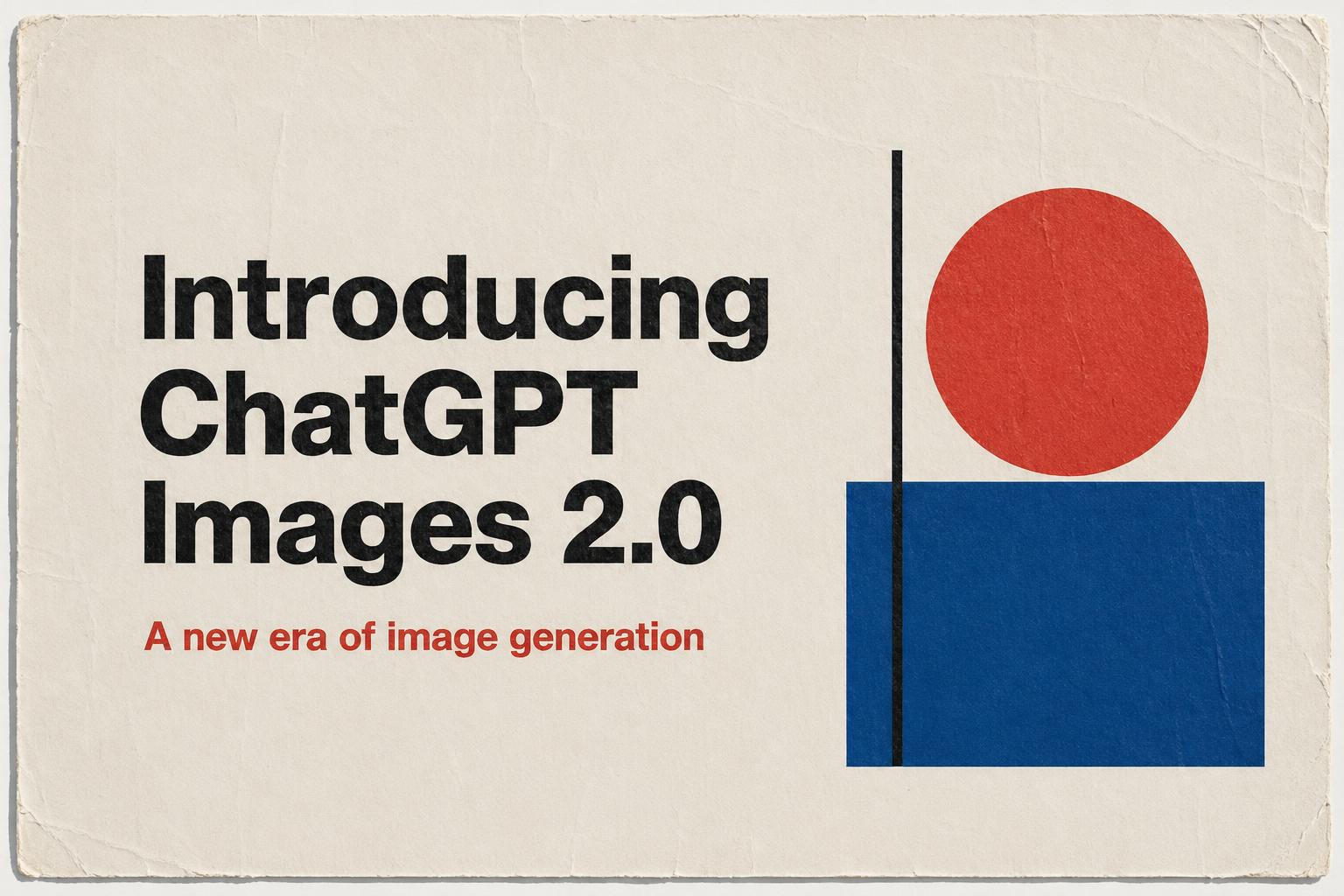
What GPT Image 2 can do
The capabilities span far beyond “make a pretty picture.” Here’s where the model genuinely shines:
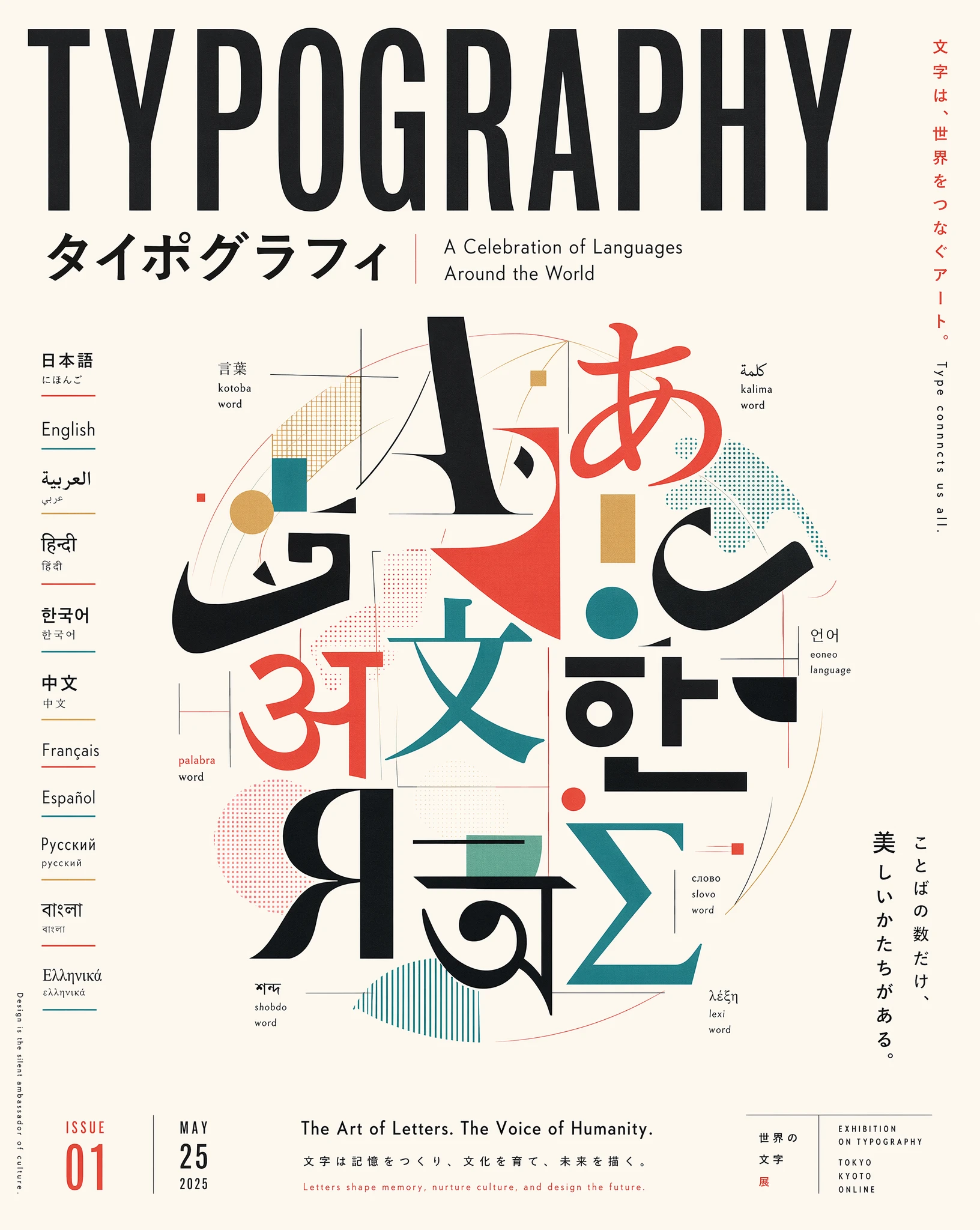
Architecture note: GPT Image 2 is built on the GPT-5 series and natively integrates OpenAI’s O-Series reasoning architecture. Instead of generating immediately, it understands, plans, then creates — the first image model to operate this way.
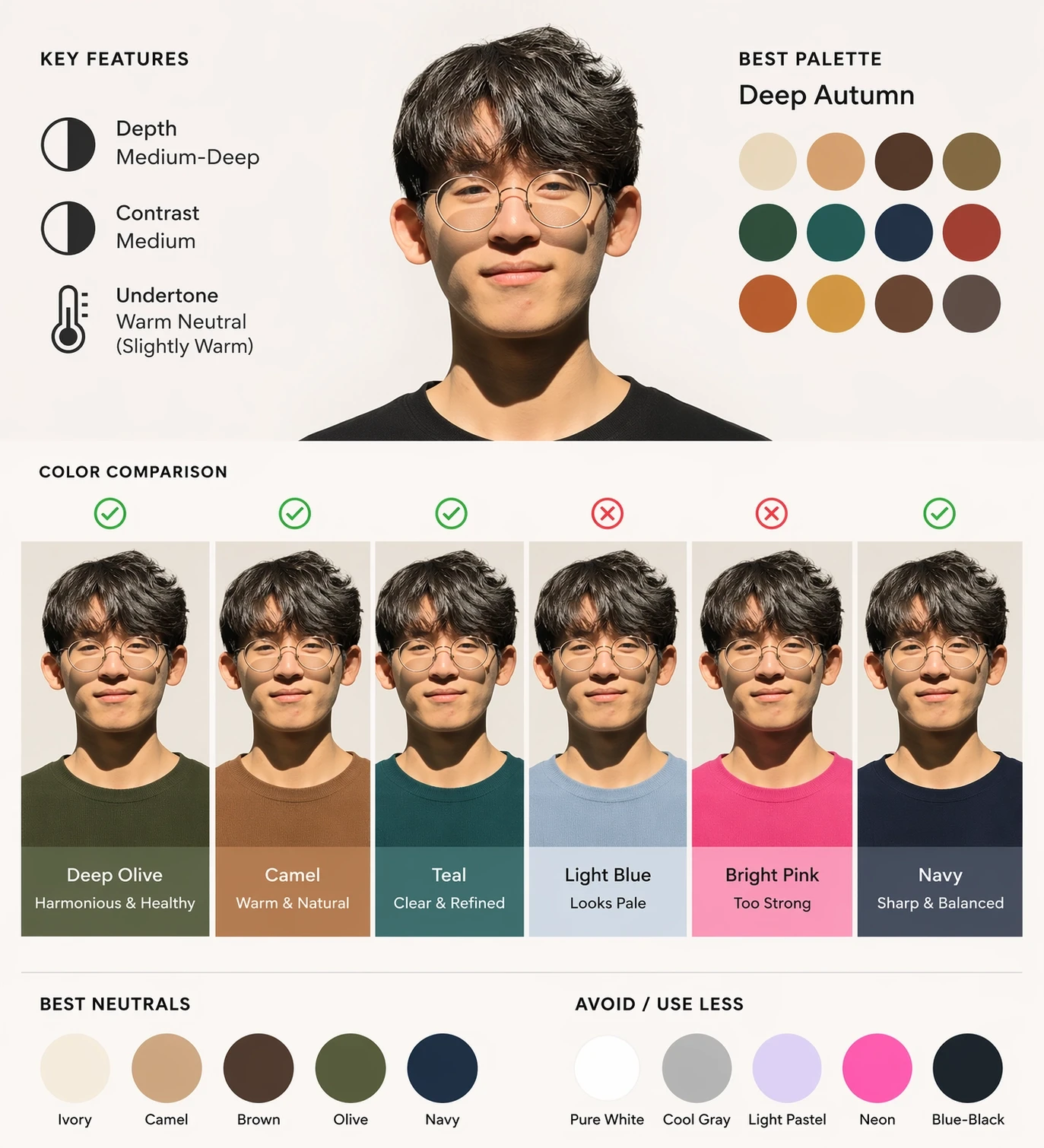
Where GPT Image 2 is most impressive
Marketing and branded assets
Thinking mode combined with accurate text rendering means GPT Image 2 can generate polished marketing assets — social graphics, ad banners, promotional flyers — at multiple sizes in a single session. Character and object continuity across a batch makes brand campaigns coherent without manual stitching.
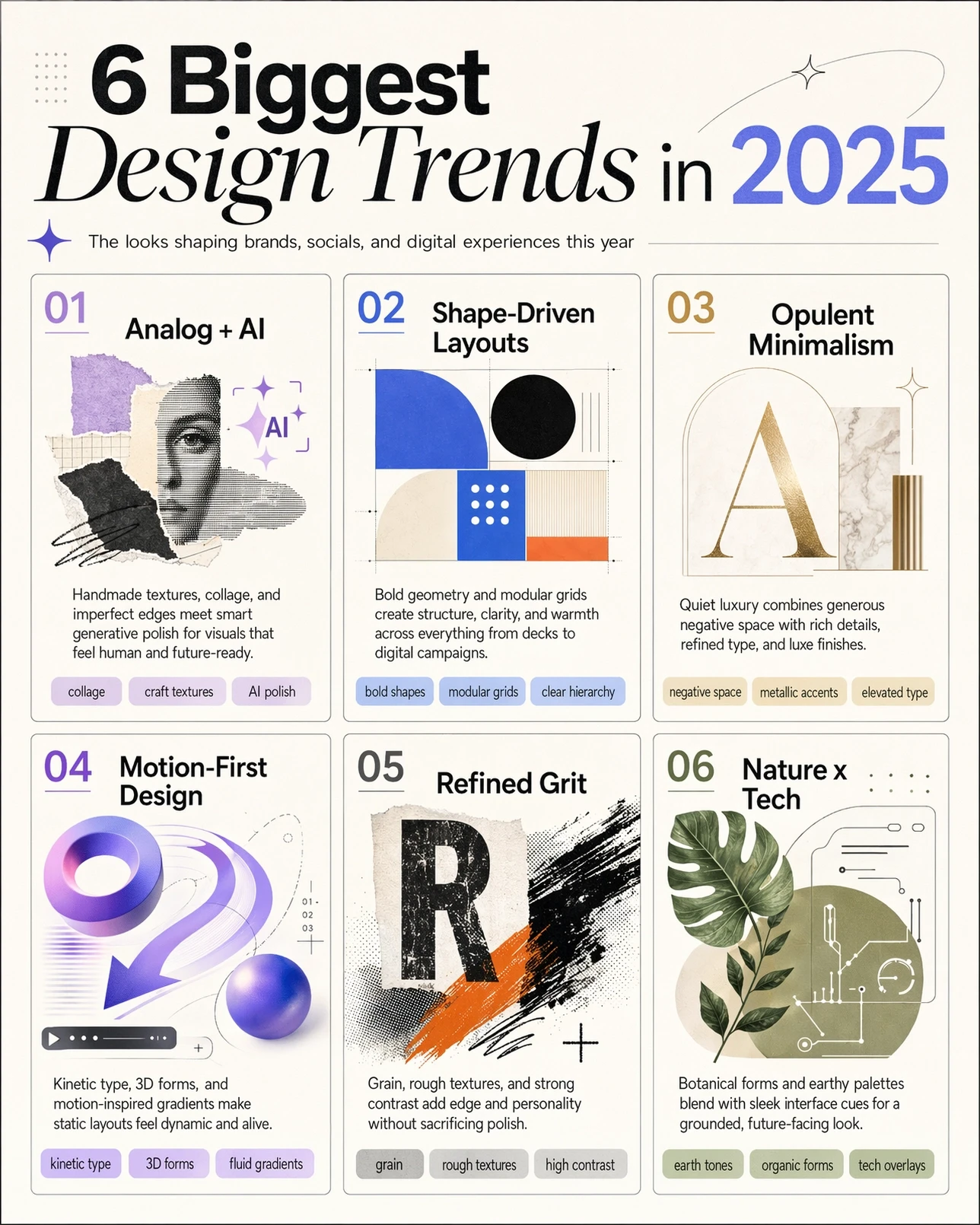
Infographics and data visuals
Scientific diagrams, explainer graphics, educational charts with labels that actually read correctly. This was impossible with previous image models. Now it’s a single prompt away.
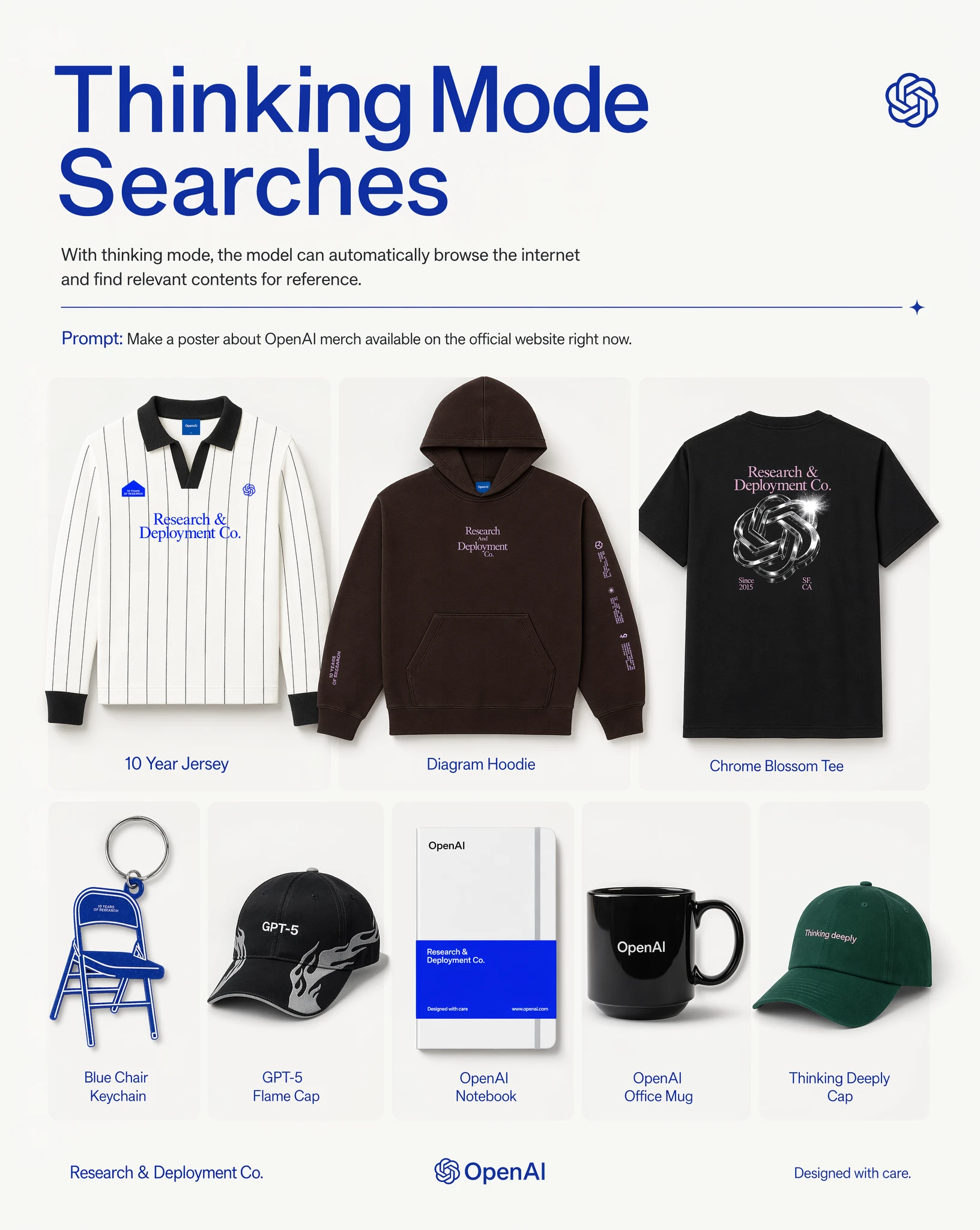
Product and e-commerce photography
The photorealism improvements are significant — lighting, skin texture, depth of field, and environmental context are all sharper than the previous generation. E-commerce brands can generate catalogue-quality product shots in under a minute.
Sequential and narrative content
Manga strips, children’s book pages, storyboards, social media carousels — the multi-image consistency feature solves a major workflow pain. What previously required prompting one frame at a time and manually aligning characters can now happen in one go.
How to access GPT Image 2
Via ChatGPT
GPT Image 2 is available in ChatGPT’s Images tab for Free, Plus, Pro, and Business users. Free users get access to the standard mode; thinking mode (the most powerful version) is exclusive to Plus, Pro, and Business tiers. The model can be found under the Images section and works with conversational prompts.
- 1Open ChatGPT and navigate to the Images tab
- 2Type your prompt — describe the image you need with as much detail as possible
- 3For thinking mode (multi-image sequences, complex layouts), use a ChatGPT Plus or Pro subscription
- 4Iterate with follow-up prompts — the model understands conversational context
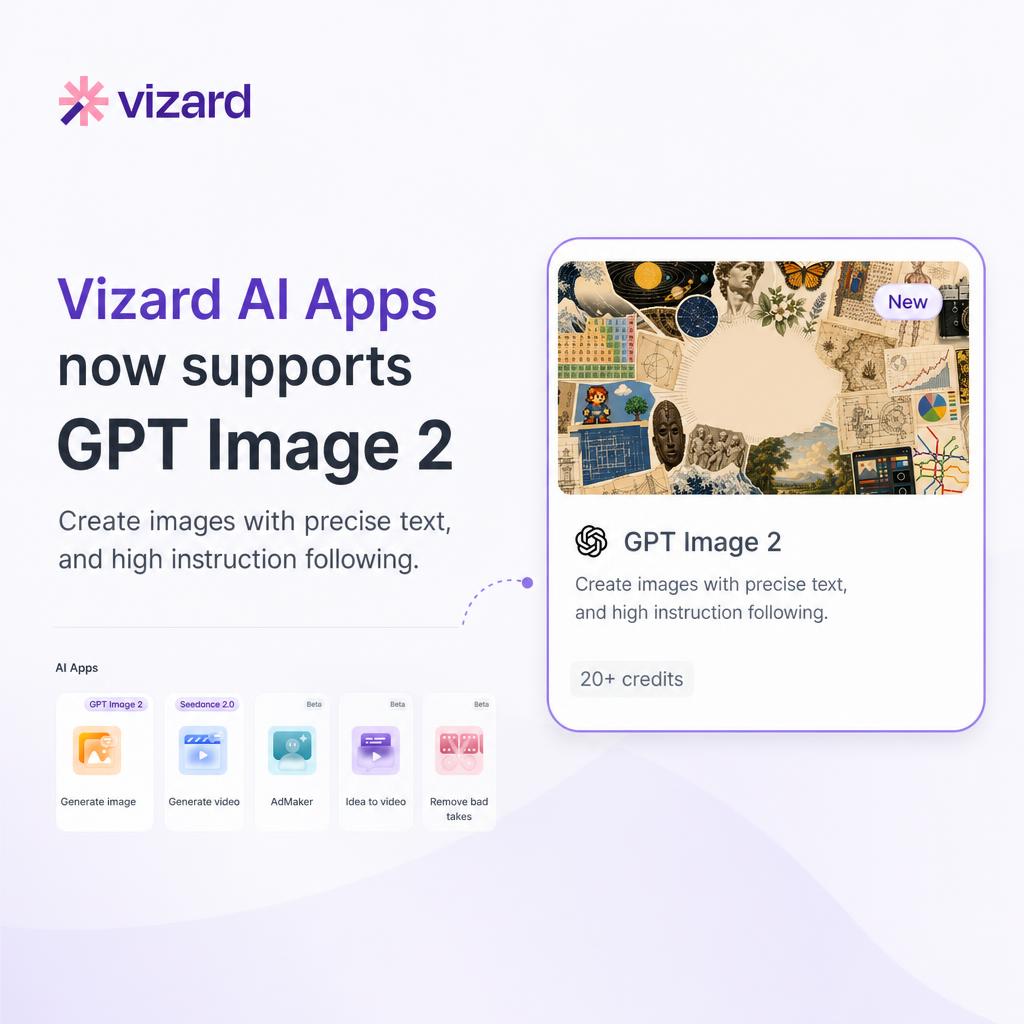
Also available on Vizard AI Studio
You don’t need a ChatGPT subscription to use GPT Image 2. Vizard’s AI Studio integrates gpt-image-2 directly, letting you generate and edit images alongside your video content workflow — all in one place.
Vizard AI Studio is particularly useful if you’re already working on video repurposing or short-form content — you can generate thumbnails, captions graphics, and social assets without leaving the platform. For creators working on TikTok, Reels, or Shorts, having image generation in the same workspace as your video editor removes a lot of context-switching.
GPT Image 2 vs Nano Banana 2
Google’s Nano Banana 2 (officially Gemini 3.1 Flash Image) is the other major contender in 2026. Both models launched within weeks of each other, both claim state-of-the-art results, and both are now the default image generation experience in their respective ecosystems. Here’s how they actually compare:
| Dimension | GPT Image 2 | Nano Banana 2 |
|---|---|---|
| Text rendering | Near-perfect (~99% accuracy in LM Arena tests). Handles complex multilingual typography reliably. Edge: GPT | Strong improvement over prior versions, but Google’s own docs note potential struggles with grammar, spelling, and idiomatic phrases in some languages. |
| Generation speed | 97–149 seconds per image in thinking mode (high quality). Significantly slower | 11–24 seconds per image. Considerably faster for iterative workflows. Edge: Nano Banana |
| Max resolution | Up to 2K natively via API | Up to 4K (Nano Banana 2 Flash). Broader resolution ladder. Edge: Nano Banana |
| Reasoning / thinking | First image model with O-Series chain-of-thought reasoning. Plans layout before generating. Edge: GPT | No equivalent reasoning step. Faster but less deliberate on complex structured layouts. |
| Real-time info | Can search the web mid-generation. Knowledge cutoff: December 2025. | Google Search grounding — deeply integrated with Google’s real-time data. Edge: Nano Banana |
| Prompt faithfulness | Tighter, more literal interpretation. Better for structured outputs (editorial, branded). Edge: GPT | More creative latitude — can over-deliver, adding invented details not in the prompt. |
| Aesthetic quality | Restrained, precise. Better for editorial and professional use. | Warmer, more painterly outputs. Often preferred for artistic or expressive work. Preference-dependent |
| API pricing (1K image) | ~$0.125 per high-quality 1024×1024 image | ~$0.067 per image (roughly half the cost). Edge: Nano Banana |
Verdict
| Choose GPT Image 2 when | Choose Nano Banana 2 when |
| You need accurate text in images, complex infographics, branded assets, or multi-image sequences. Quality matters more than speed. | You need fast iteration, Google Search grounding, higher-resolution output, or are already operating in the Google / Gemini ecosystem. |
GPT Image 2 topped the LM Arena Image leaderboard with an Elo score of 1512 just 12 hours after launch, beating Nano Banana Pro by a record-breaking margin. But leaderboards don’t determine workflow fit — and for high-volume, fast-turnaround use cases, Nano Banana 2’s speed advantage is real. The best approach in 2026 is treating these as complementary tools rather than competitors.